Why Your Water Heater Needs to Be Flushed Regularly
Your water heater works hard every single day — heating water for showers, dishes, laundry, and everything in between. But there’s a quiet problem building up at the bottom of that tank that most homeowners never think about: sediment.
As water is heated, naturally occurring minerals like calcium and magnesium separate out and settle to the bottom of the tank. Over time, this layer of sediment grows thicker, acting as insulation between the burner and the water. The result? Your unit has to work harder, run longer, and burn more energy just to heat the same amount of water. That means higher utility bills, more wear on the unit, and a shorter lifespan overall.
The good news is that flushing your water heater regularly is a straightforward maintenance task that prevents all of this — and it’s one of the best investments of an afternoon you’ll ever make as a homeowner.
How Often Should You Flush a Water Heater?
For most households, flushing your water heater once a year is the standard recommendation. However, a few factors can change that schedule:
- Hard water areas: If your home has hard water — water with a high mineral content — sediment accumulates faster. In these cases, flushing every six months is a smart move.
- Older units: Water heaters that haven’t been flushed in several years may need more than one flush session to clear heavy buildup.
- Larger households: More hot water demand means more water cycling through the tank, which can speed up sediment accumulation.
- Well water: Homes on well systems often deal with higher sediment and mineral levels, making more frequent flushing important.
If you’re not sure what kind of water you have, a simple water hardness test kit from any hardware store can give you a baseline. Your local water utility may also publish water quality reports online.
Warning Signs That Your Water Heater Needs Flushing Now
Don’t wait for a failure to take action. These are the most common signals that sediment has built up to a problematic level:
- Rumbling or popping noises: That banging sound when your water heater fires up is sediment being disturbed by heating water — a classic and unmistakable warning sign.
- Longer wait times for hot water: If your showers are taking longer to warm up than they used to, reduced efficiency from sediment is a likely culprit.
- Higher energy bills: A sudden or gradual increase in your gas or electric bill with no other explanation often points to an overworking appliance.
- Discolored or rusty hot water: Sediment and corrosion can sometimes mix into your water supply, affecting color and taste.
- Inconsistent water temperature: Fluctuating hot water is another sign the tank is struggling to maintain proper heating.
How to Flush Your Water Heater: A Step-by-Step Overview
Flushing a tank water heater is a DIY-friendly task for most homeowners. Here’s a general overview of the process:
What You’ll Need
- A garden hose long enough to reach a drain or outdoor area
- Flathead screwdriver or hose bib key
- Work gloves — the water will be hot
- A bucket, optional, for small drain jobs
Step-by-Step Process
- Turn off the heat source. Switch your water heater to the pilot setting (gas) or turn off the circuit breaker (electric). Let the water cool for at least an hour if possible — hot water can cause burns.
- Connect a garden hose to the drain valve at the base of the tank and run the other end to a floor drain, utility sink, or outside.
- Turn off the cold water supply to the tank using the shutoff valve at the top.
- Open a hot water faucet somewhere in the house to prevent a vacuum from forming in the lines.
- Open the drain valve and allow the tank to empty completely. Expect the water to look cloudy or brownish — that’s the sediment flushing out.
- Flush with fresh water. Briefly turn the cold water supply back on to stir up any remaining sediment and push it out. Repeat until the water runs clear.
- Refill and restart. Close the drain valve, remove the hose, turn the cold water supply back on, and let the tank refill before turning the heat source back on.
The whole process typically takes 30 to 60 minutes from start to finish.
When to Call a Licensed Plumber Instead of DIYing
Flushing a water heater is manageable for most homeowners — but there are situations where calling a licensed professional is the right call:
- The drain valve is stuck or leaking. Old, corroded drain valves are common on neglected units and can break off or fail to close properly. A licensed plumber can replace the valve safely.
- You haven’t flushed in many years. Heavy sediment buildup can be difficult to clear with a single flush and may require a professional assessment to determine if the unit is still worth saving.
- You notice rust or corrosion on the tank itself. This is a sign of internal tank degradation that no flush will fix — a plumber can evaluate whether repair or replacement is the better path.
- Your water heater is over 10 years old. Older units may have additional issues that a professional eye should evaluate during maintenance.
- You’re on a well system with high sediment. These systems sometimes require additional filtration solutions that go beyond a simple flush.
If you need a professional to assess or service your water heater, FixMyPipesNow.com connects you with licensed water heater specialists and plumbers across Florida — no guesswork, no hassle.
What Does Skipping This Maintenance Actually Cost You?
Let’s put some numbers behind the reason this matters. The U.S. Department of Energy estimates that sediment buildup can reduce a water heater’s efficiency by up to 25%. On an average energy bill, that’s a meaningful hit every single month — and it compounds over the years.
Beyond energy costs, a neglected water heater simply doesn’t last as long. The average tank water heater has a lifespan of 8 to 12 years. Regular flushing and maintenance can push that toward the higher end of that range, while a unit that’s never been flushed may fail well before its time. Replacing a water heater typically costs between $900 and $1,800 installed, depending on the unit type and your location.
A one-hour flush once a year — or a modest service call to a licensed plumber — is a fraction of that cost.
Tankless Water Heaters Need Maintenance Too
If your home has a tankless (on-demand) water heater, you’re not off the hook. While these units don’t accumulate sediment in the same way, mineral scale builds up on the heat exchanger over time and reduces efficiency just as significantly. Tankless units should be descaled — a process called flushing with a vinegar or descaling solution — once a year in most cases, and more often in hard water areas.
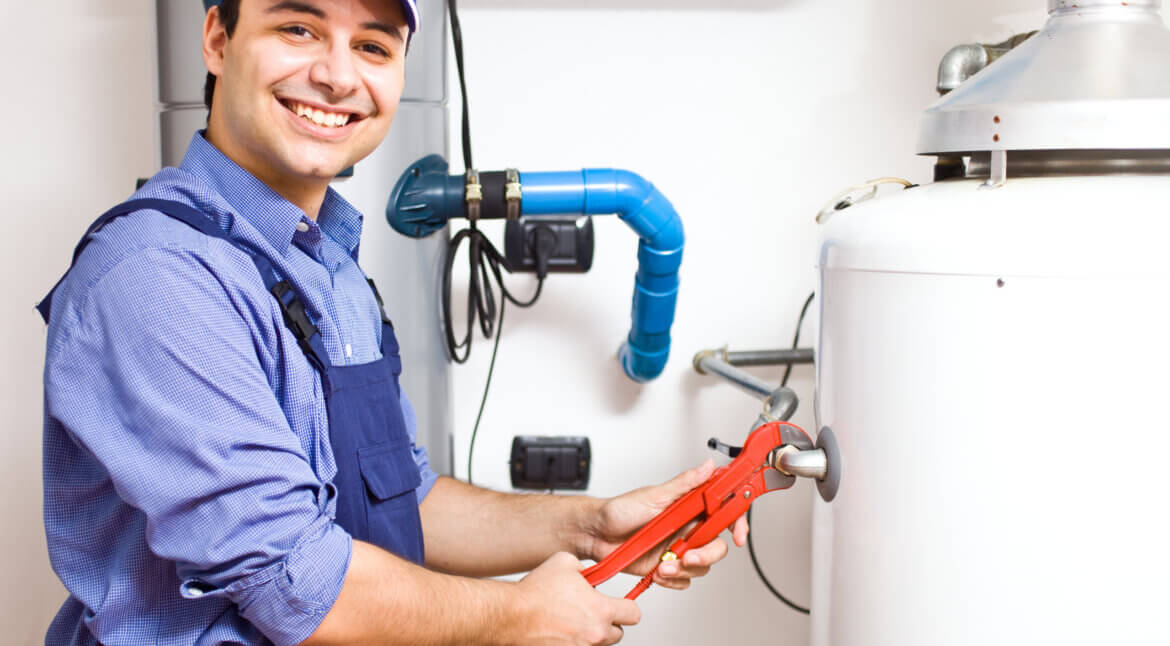
Descaling a tankless unit is slightly more involved than flushing a traditional tank and often benefits from a professional touch, especially the first time. A licensed plumber or water heater specialist can flush the system and inspect the unit at the same time.
Make It a Habit
The simplest way to remember your annual water heater flush is to tie it to something else you already do once a year — changing smoke detector batteries, scheduling an HVAC tune-up, or even a seasonal home walkthrough. Put it on your calendar now and you’ll never have to wonder if you’re on top of it.
If you’d rather leave it to a professional — or if you run into trouble during a DIY flush — find a licensed plumber near you at FixMyPipesNow.com. A qualified technician can flush your unit, inspect the anode rod, check for corrosion, and give you a full picture of your water heater’s health in a single visit.
A little maintenance today is always cheaper than an emergency tomorrow.