Why Frozen Pipes Are a Bigger Risk Than Most Homeowners Realize
Every winter, burst pipes send hundreds of thousands of Americans scrambling for emergency help. Water expands when it freezes, and that expansion puts enormous pressure on your plumbing — enough to crack copper, split PVC, and blow out joints hidden inside your walls, crawl spaces, and attic. The result is flooding, mold, and repair bills that can easily reach five figures.
The good news is that most frozen pipe emergencies are preventable. A few hours of preparation before the first hard freeze can save you from one of the most disruptive and costly home disasters there is. This guide walks you through exactly what to do, what you can handle yourself, and when it is time to bring in a licensed plumber.
DIY Prevention Steps to Take Right Now
You do not need a plumbing license to winterize your home effectively. The following tasks are straightforward, low-cost, and genuinely effective at reducing your freeze risk.
Insulate Exposed Pipes
Pipes in unheated spaces — garages, crawl spaces, attics, and exterior walls — are the first to freeze. Foam pipe insulation sleeves are available at any hardware store and slip on in minutes. Pay special attention to pipes that run along exterior walls or in areas that receive no heat from your HVAC system.
Disconnect and Drain Outdoor Hoses
Leaving a garden hose attached to a spigot traps water in the line and can freeze back into the pipe inside your home. Disconnect all hoses before the first freeze, drain them fully, and store them for winter. If your home has frost-free hose bibs, make sure each handle is completely closed — they only drain properly when shut off all the way.
Let Faucets Drip on the Coldest Nights
When temperatures fall below 20 degrees Fahrenheit, allowing a thin trickle of water to run from faucets connected to exposed pipes keeps water moving and relieves pressure buildup. This is not a cure-all, but it is a smart backup measure during a hard overnight freeze.
Open Cabinet Doors Under Sinks
Cabinets under kitchen and bathroom sinks along exterior walls can trap cold air around pipes. Opening those cabinet doors lets warm room air circulate around the plumbing — a fix that costs nothing and takes two seconds.
Seal Air Leaks Near Pipes
Cold air rushing in through gaps around cable lines, dryer vents, and pipe penetrations can freeze nearby plumbing fast. Walk your home’s exterior and utility spaces and use expandable foam or caulk to seal any gaps you find near pipes.
Know Your Emergency Shutoff Before You Need It
If a pipe bursts, the single most important thing you can do in the first 60 seconds is shut off your water supply. Acting fast limits damage dramatically. Yet many homeowners have never located their main shutoff valve — and that is a problem you can solve today.
How to Find Your Main Water Shutoff
In most homes, the main shutoff is located in one of the following places:
- Near the water meter — often in a utility room, basement, crawl space, or along the exterior foundation
- In the garage — common in homes built in warmer climates where pipes run along exterior walls
- In a covered box in the yard — called a curb stop or meter box, usually positioned near the street
Turn the valve clockwise to shut off water flow. If the valve is a lever-style ball valve, turn it perpendicular to the pipe to close it. Test it now so you are not guessing when water is pouring through your ceiling.
Also Locate Your Water Heater Shutoff
Your water heater has its own cold-water supply shutoff, typically a valve on the pipe entering the top of the unit. Knowing where it is matters — especially if a frozen pipe backs up near the heater or if the unit itself is located in an unheated garage or utility room that is vulnerable to freezing temperatures.
When to Call a Licensed Plumber Instead of DIYing It
Some winterization tasks belong in the DIY column. Others require a licensed professional, and attempting to shortcut those can make things significantly worse.
Call a Pro If You Have Any of These Situations
- You suspect a pipe has already frozen. If you turn on a faucet and get little or no flow, a pipe may be frozen but not yet burst. A plumber can locate the ice blockage safely and thaw it without causing a rupture.
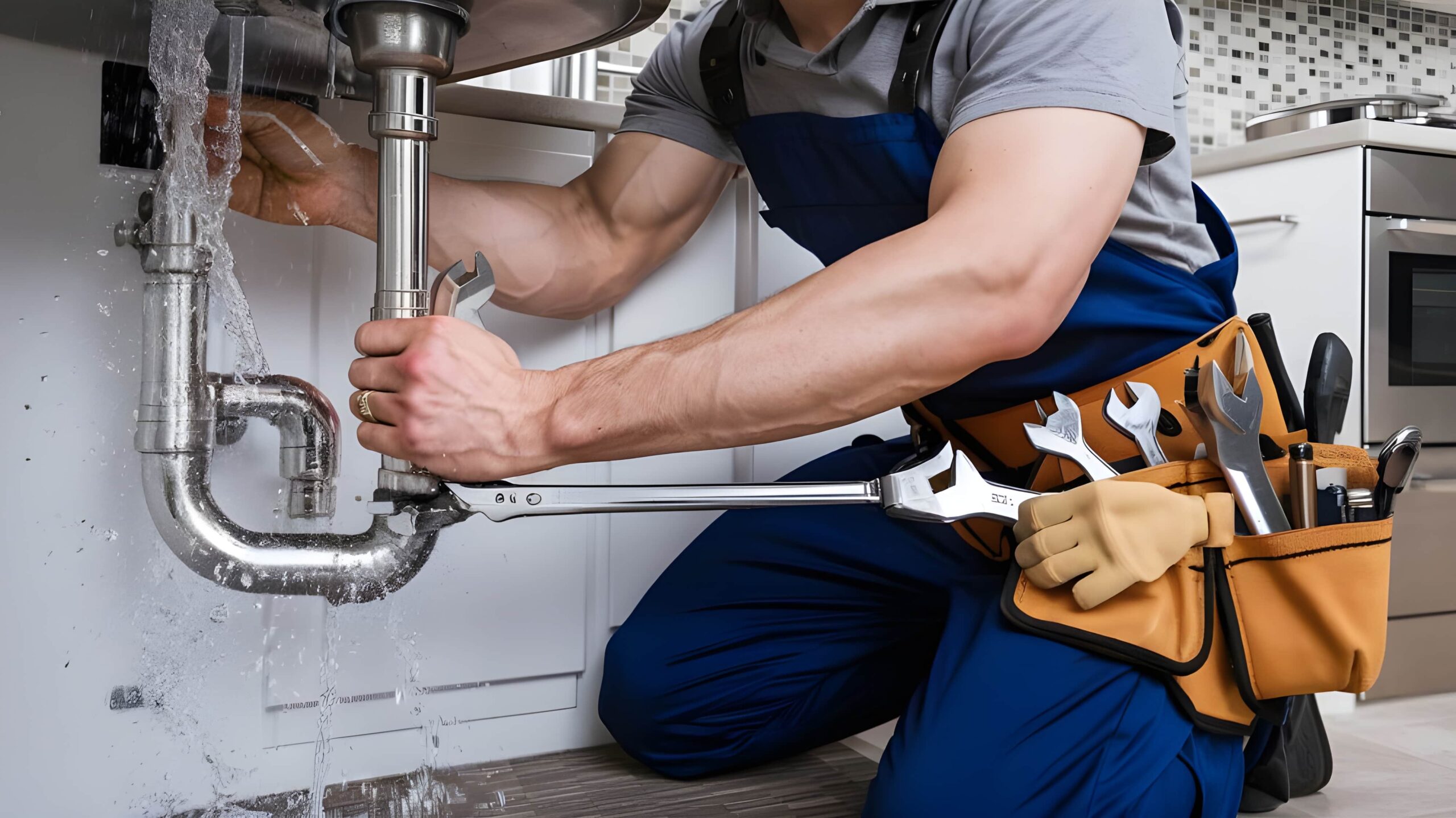
- A pipe has already burst. After shutting off the main supply, call a licensed plumber immediately. Burst pipe repairs often require cutting into walls, soldering or pressing new pipe sections, and checking surrounding structure for water damage.
- Your home has older galvanized steel pipes. Galvanized pipes are already weakened by years of corrosion. Freezing puts them at extreme risk. A plumber can assess whether repiping before winter is the smarter long-term investment.
- You have a well or private water system. Well pumps and pressure tanks in unheated pump houses require specific winterization steps that go beyond standard DIY prep.
- Your water heater is in an unheated space. A licensed water heater specialist can evaluate whether your unit needs additional insulation, a recirculation system, or relocation to reduce freeze risk.
If you are not sure where to start, FixMyPipesNow.com connects homeowners with licensed plumbers, drain specialists, and water heater professionals who can assess your system before the cold arrives — not after.
What to Do If a Pipe Bursts Right Now
Even with the best preparation, emergencies happen. If you are dealing with a burst pipe today, follow this priority order:
- Step 1: Shut off the main water supply immediately.
- Step 2: Turn off electricity to any rooms where water is present — water and live circuits are a dangerous combination.
- Step 3: Open faucets to drain remaining water from the pipes and relieve pressure.
- Step 4: Call a licensed emergency plumber. Tape, pipe clamps, and epoxy putty are temporary measures only — they are not permanent repairs.
- Step 5: Document everything with photos before cleanup begins, for your homeowner’s insurance claim.
Do Not Overlook Your Water Heater This Winter
Water heaters work harder when temperatures drop. Incoming groundwater is colder, which means the unit runs longer cycles to reach your set temperature. If your water heater is already aging — most tank units last 8 to 12 years — extra winter demand can push it toward failure faster than you expect.
Before temperatures drop, flush the tank to clear sediment buildup and confirm the thermostat is set between 120 and 140 degrees Fahrenheit. If the unit is in a garage or unheated utility room, consider adding an insulating blanket rated for water heaters. A licensed water heater professional can inspect the unit quickly and tell you whether you need a tune-up or a replacement before winter stress sets in. Find one near you at FixMyPipesNow.com.
The Bottom Line: Prepare Now, Not During the Freeze
Winterizing your plumbing is not complicated, but it does require action before cold weather arrives. Insulate exposed pipes, locate your shutoff valve, disconnect outdoor hoses, and have your water heater checked if it is overdue. Handle what you can yourself, and bring in a licensed plumber for anything that goes beyond basic prep. A professional visit before winter costs a fraction of what an emergency repair costs after a pipe lets go.
A little time spent now is the best plumbing investment you will make all year.