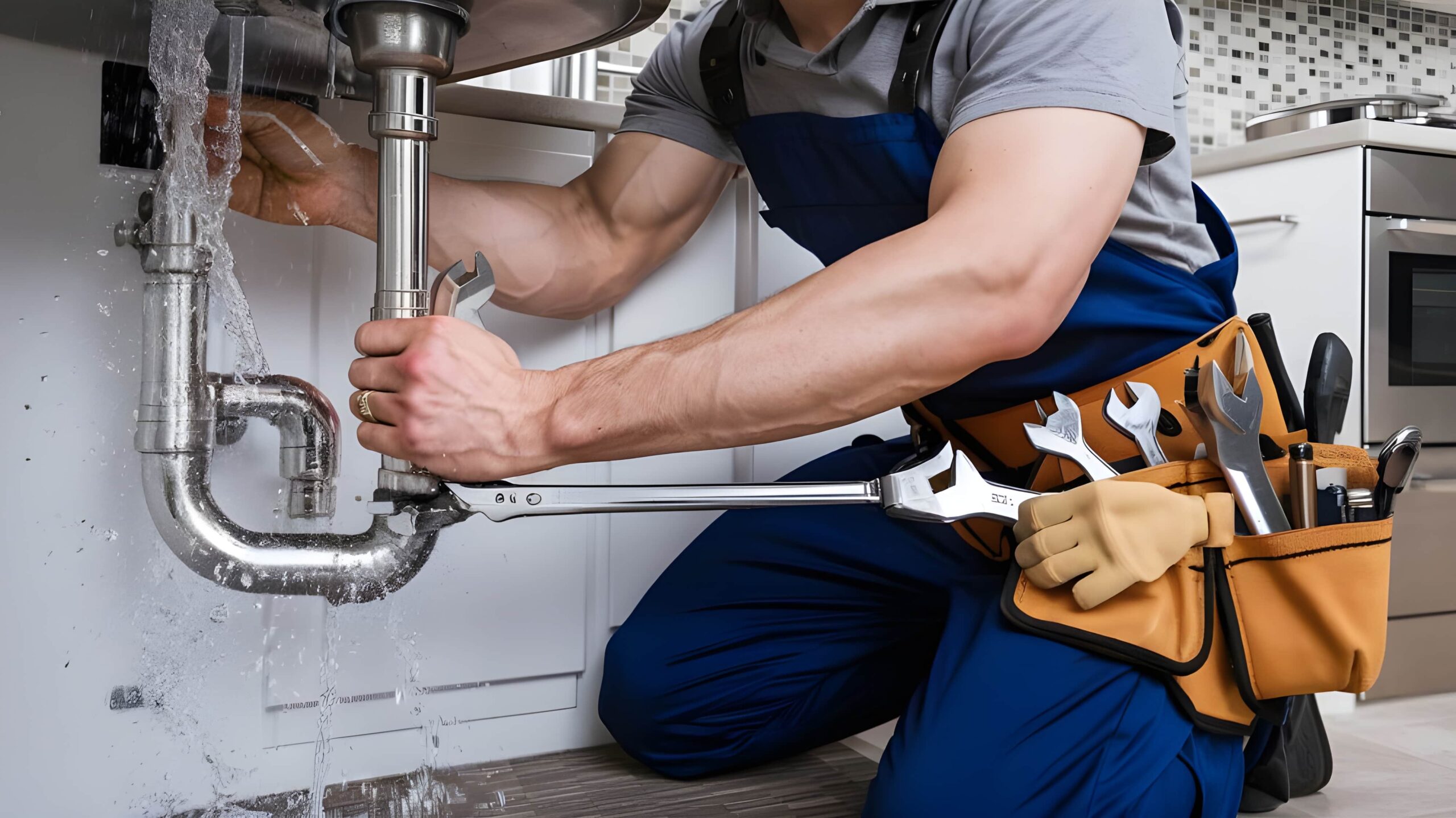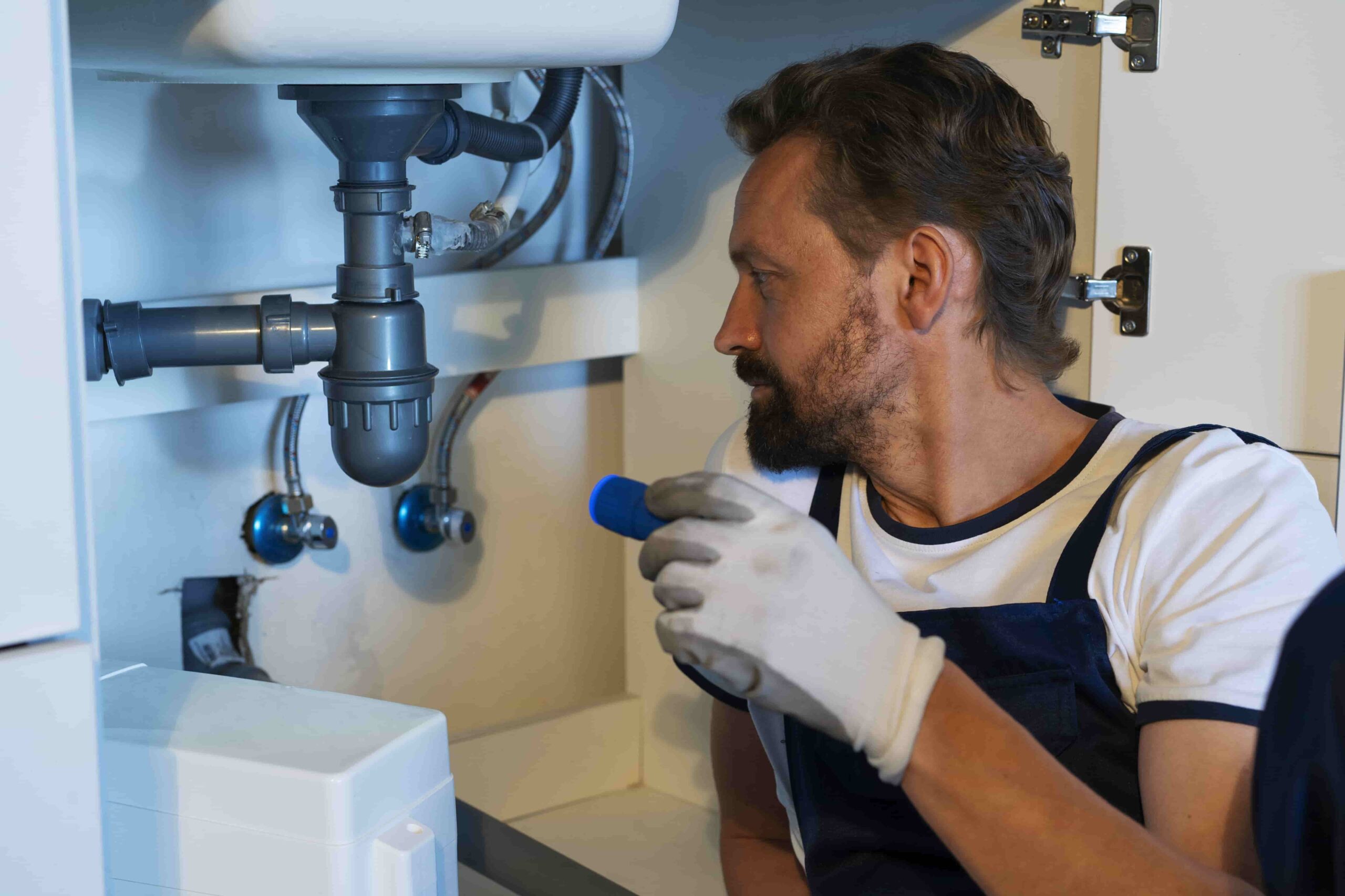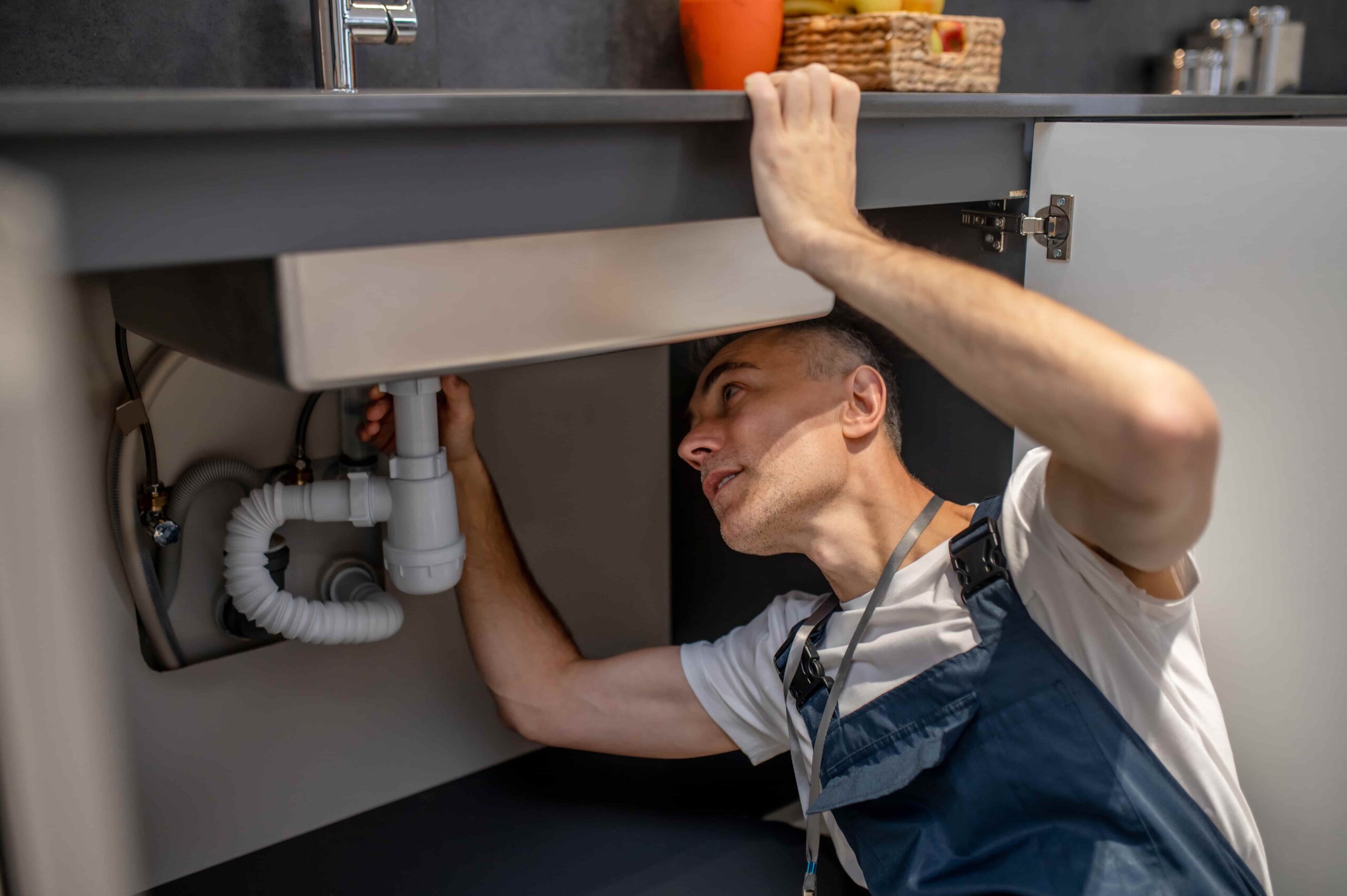
Why Hurricane Season Is a Plumbing Emergency Waiting to Happen
Every June through November, millions of homeowners across Florida, Georgia, Alabama, Louisiana, Texas, and the Carolinas brace for tropical storms and hurricanes. Most prep lists cover shutters, generators, and bottled water — but your plumbing system deserves equal attention. Storm surge, heavy rainfall, and flooding can overwhelm pipes, sewers, and water heaters in ways that lead to costly repairs and health hazards if you are not prepared.
The good news: a focused pre-season checklist and a quick post-storm walkthrough can prevent the majority of plumbing disasters. Some tasks are straightforward DIY. Others require a licensed plumber. Knowing the difference saves you time, money, and a whole lot of stress.
Sump Pump Readiness: Your First Line of Defense Against Flooding
If your home has a basement or a low-lying crawl space — common in parts of Georgia, the Carolinas, and inland Florida — a working sump pump is essential during hurricane season. Even slab-foundation homes in coastal Louisiana, Texas, and South Florida benefit from sump systems in garages or utility areas prone to sheet flooding.
What Homeowners Can Do Before the Season
- Test your sump pump monthly from June through November. Pour a bucket of water into the pit and confirm the float triggers the pump automatically.
- Clear the pit of debris, including gravel, silt, and any objects that may have fallen in since last season.
- Check the discharge line. Make sure it drains at least 10 feet away from your foundation and that the outdoor exit is not blocked by overgrown vegetation or storm debris.
- Invest in a battery backup or water-powered backup pump. Power outages during hurricanes are virtually guaranteed, and your primary pump is useless without electricity.
When to Call a Licensed Plumber
If your sump pump is more than seven to ten years old, makes grinding or rattling noises, or failed your bucket test, do not gamble on it surviving a major storm. A licensed plumber can inspect the unit, test the check valve, and recommend whether a repair or full replacement makes more sense for your home. Improper installation can void warranties and leave your home vulnerable at the worst possible moment.
Backflow Prevention: Protecting Your Drinking Water When Sewers Overflow
This is one of the most overlooked — and most important — plumbing concerns during a hurricane. When storm surge or extreme rainfall overwhelms municipal sewer systems, which is a near-certainty in cities like New Orleans, Houston, Tampa, and Charleston, raw sewage can reverse direction and flow back into your home through floor drains, toilets, and sinks. This is called backflow, and it creates serious health and safety hazards.
Backflow Prevention Steps Any Homeowner Can Take
- Know where your main sewer cleanout is located — typically a white or black PVC cap in your yard or near the foundation. In a worst-case scenario, you or a plumber can plug it temporarily.
- Use temporary drain plugs or standpipes in basement floor drains if a major storm is imminent. These are inexpensive and available at hardware stores.
- Never flush anything other than toilet paper before, during, or after a storm. Stressed sewer systems clog easily, and a blockage during flooding can accelerate backflow into your home.
The Professional Solution: Backflow Prevention Valves
For homeowners in flood-prone areas — coastal Louisiana, Southeast Texas, low-lying parts of Miami-Dade, and tidal zones along Georgia and the Carolinas — a permanently installed backflow preventer or overhead sewer system is the gold standard. These devices allow waste to exit your home normally but physically block reverse flow from the municipal line. Installation requires a licensed drain and sewer specialist and, in many municipalities, a permit. If you live in a high-flood-risk zone and do not already have one, this investment could save your home from a sewage disaster. Find a licensed drain and sewer specialist near you at FixMyPipesNow.com.
Water Heater Safety Before and During a Storm
Your water heater is more vulnerable during hurricane season than most homeowners realize. Storm surge flooding can submerge a gas water heater, extinguish the pilot light, and leave behind silt, corrosion, and a cracked flue — creating a carbon monoxide risk when you try to relight it. Electric water heaters that sit in flooded areas can suffer damage to heating elements and the thermostat.
Pre-Season Water Heater Checklist
- If your water heater is in a garage or ground-floor utility room, note its elevation. Units in flood-prone areas should ideally be raised on a platform at least 12 inches above your Base Flood Elevation per FEMA guidance.
- Check the temperature and pressure relief valve. Lift the lever briefly to confirm it releases water and snaps back. A failed TPR valve on a gas unit is a safety hazard after any disruption.
- Turn off the gas or electricity to your water heater if a storm is approaching and flooding is possible in your utility area. This simple step prevents a dangerous situation when floodwater intrudes.
After the Storm: Do Not Restart Until Inspected
If your water heater was exposed to floodwater, do not attempt to restart it yourself. A licensed plumber should inspect the unit for flue damage, sediment intrusion, gas line integrity, and electrical components before it is turned back on. In many post-hurricane cases across Florida, Alabama, and the Texas Gulf Coast, flooded water heaters need full replacement — and a licensed pro can help you document the damage for an insurance claim.
Post-Storm Plumbing Inspection: Your Walkthrough Checklist
Once the storm has passed and it is safe to re-enter your home, work through this plumbing walkthrough before using any fixtures heavily.
Exterior Checks
- Inspect your main water line and meter box for debris, cracks, or visible shifting. Storm surge and soil movement can stress underground pipes.
- Check all outdoor hose bibs and irrigation shutoffs for damage from flying debris or fallen tree limbs.
- Look at your sewer cleanout cap — if it has been displaced or cracked, contact a drain specialist before running significant water inside the home.
Interior Checks
- Run each faucet slowly and check for discolored water, which can indicate sediment intrusion or a compromised water main.
- Flush each toilet once and watch for slow draining, which may signal a blocked sewer lateral from storm debris.
- Check under sinks, around your water heater, and behind appliances for signs of leaks that may have been jarred loose by wind vibration or pressure changes.
- If you smell gas anywhere in the home, leave immediately, do not operate any switches, and call your gas utility from outside.
For complex damage — sewer line backups, failed sump pumps, flooded water heaters, or any situation involving gas — do not delay in calling a professional. Search FixMyPipesNow.com to find licensed plumbers available for emergency post-storm service across Florida and the Southeast.
Prepare Now, Not When the Cone Appears
The best time to test your sump pump, install a backflow preventer, or have your water heater inspected is before a named storm is 72 hours out and every plumber in your county is booked solid. Make plumbing part of your annual hurricane prep — ideally in April or May — and you will head into the season with one less thing to worry about.