Why Annual Plumbing Maintenance Is Worth Every Minute
Most homeowners only think about their plumbing when something goes wrong — a drain backs up at the worst possible moment, a water heater quits on a cold morning, or a small leak becomes a major water damage claim. The good news is that most plumbing emergencies are preventable. A simple, structured maintenance routine performed throughout the year can save you hundreds — sometimes thousands — of dollars in emergency service calls and repairs.
This checklist breaks your plumbing maintenance into four seasonal windows so the tasks never feel overwhelming. Some items are straightforward DIY checks. Others are best handed off to a licensed plumber or drain specialist who has the tools and training to catch problems before they escalate.
Spring: Wake Up Your Plumbing After Winter
Spring is the ideal time to assess any damage that cold weather may have caused and to prepare your system for heavier warm-weather use.
Inspect Exposed Pipes for Winter Damage
Walk your basement, crawl space, garage, and any exterior walls where pipes run. Look for cracks, corrosion, or joints that appear to have shifted. Even a hairline crack can widen under water pressure. If you spot visible damage or mineral buildup around a joint, call a licensed plumber rather than applying a temporary patch.
Test Every Faucet and Toilet for Leaks
- Turn on each faucet and check for drips at the base and handle.
- Add a few drops of food coloring to toilet tanks and wait 15 minutes without flushing — if color appears in the bowl, the flapper needs replacing. This is an easy, inexpensive DIY fix.
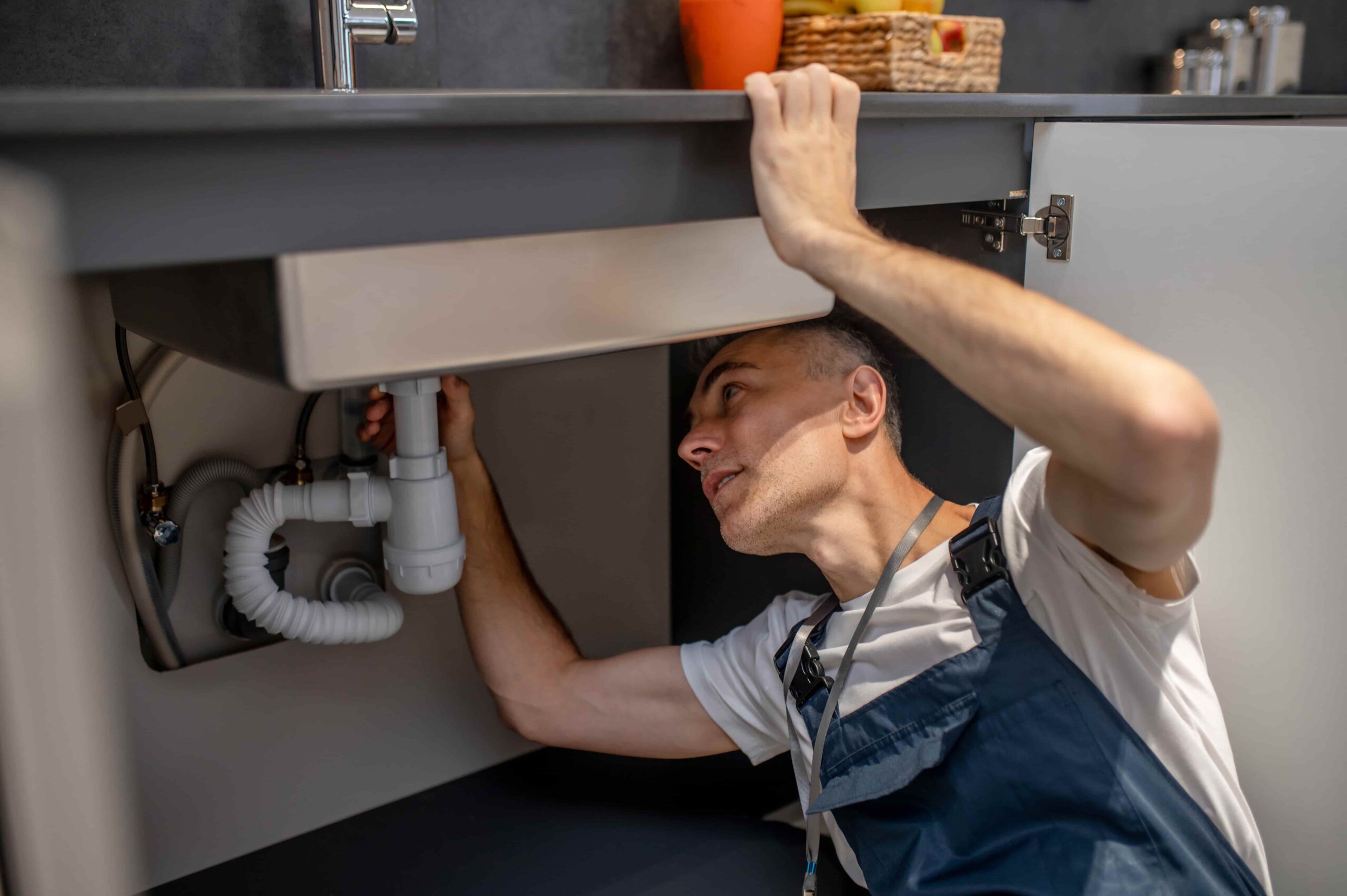
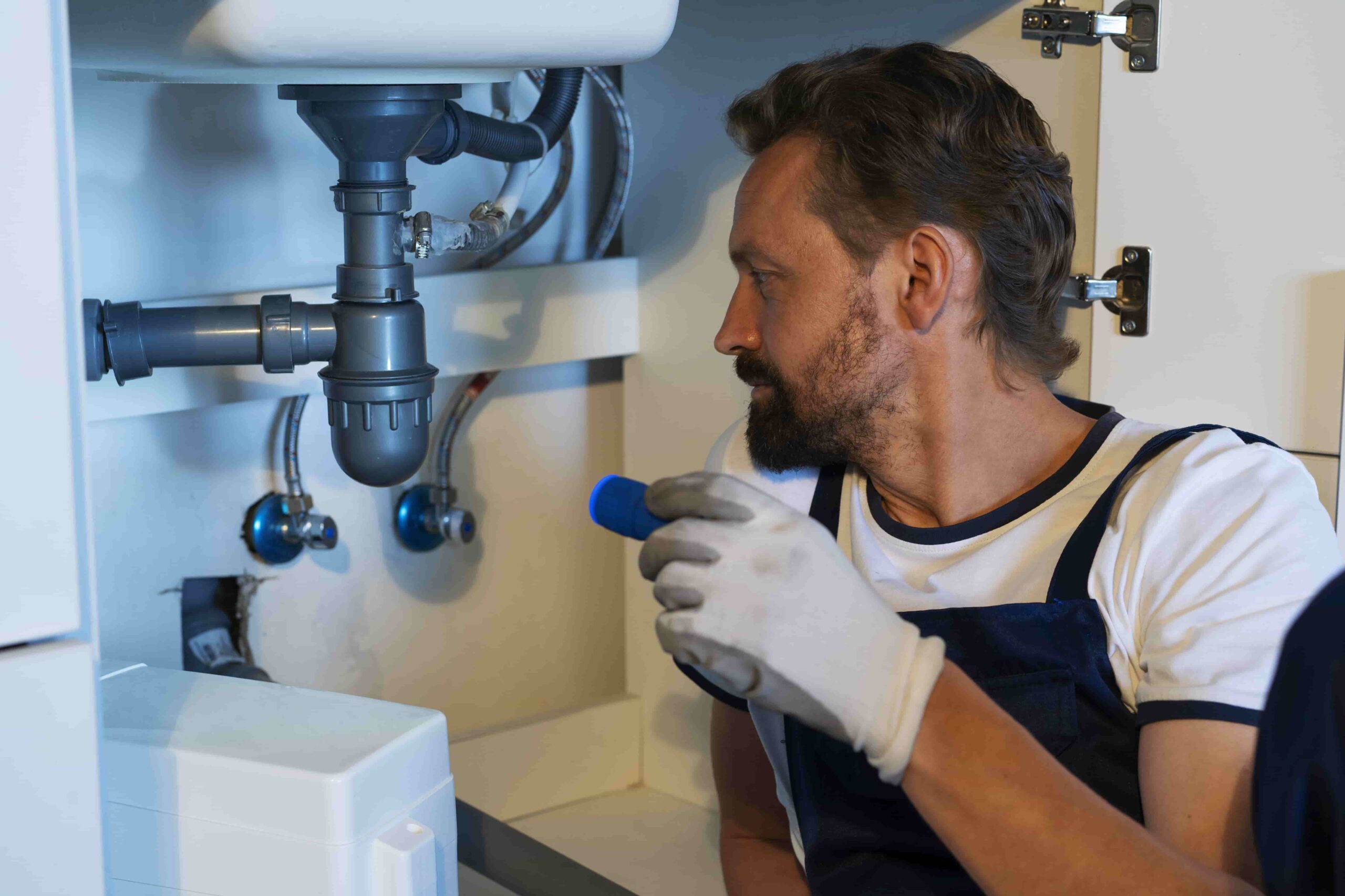
- Check under every sink cabinet for moisture, staining, or mold, which signal a slow leak.
Clear Outdoor Drains and Hose Bibs
Remove leaves and debris from yard drains, patio drains, and window-well drains. Reconnect and test outdoor hose bibs by turning them on fully, then checking for drips at the connection point. A dripping hose bib often means a worn washer — a quick DIY repair — but if you notice low pressure or no water at all, the pipe may have cracked over winter and needs professional attention.
Summer: High-Use Season Calls for Extra Attention
Summer means more people showering, more laundry, more dishes, and more outdoor water use. It is the season when aging pipes and appliances feel the most stress.
Schedule a Water Heater Inspection
Your water heater works harder in summer when demand spikes. This is a smart time to have a professional flush the tank to remove sediment buildup, which reduces efficiency and shortens the unit’s lifespan. A technician will also test the pressure relief valve and inspect the anode rod. If your water heater is 10 years or older, ask about replacement options — newer tankless and high-efficiency models can cut energy costs significantly.
Check Washing Machine Hoses
- Pull the washer away from the wall and inspect both hot and cold supply hoses.
- Look for bulging, cracking, or corrosion near the fittings.
- Replace rubber hoses every three to five years, or upgrade to braided stainless steel hoses, which are far more durable.
- Confirm the shutoff valves behind the machine turn freely — valves that have not moved in years can seize and become useless in an emergency.
Run Water in Rarely Used Fixtures
Guest bathrooms, basement sinks, and utility tubs that go weeks without use can develop dry P-traps, which allows sewer gas to drift into living spaces. Run water in every drain in your home for 30 seconds once a month to keep traps full and odors out.
Fall: Prepare Your Plumbing Before Temperatures Drop
Fall maintenance is some of the most important of the year because it protects your system against freeze damage — the single most common cause of burst pipes in homes across the country.
Shut Down and Drain Outdoor Plumbing
- Disconnect and store garden hoses before the first frost. A hose left connected traps water in the bib and can cause the pipe behind the wall to freeze and burst.
- Locate the shutoff valve for each outdoor hose bib and close it. Then open the bib to drain residual water from the line.
- Winterize irrigation systems by shutting off the supply and blowing out the lines with compressed air, or hire an irrigation specialist to do it properly.
Insulate Vulnerable Pipes
Foam pipe insulation is inexpensive and available at any hardware store. Wrap pipes in unheated spaces — garages, crawl spaces, attics, and exterior walls — before nighttime temperatures consistently fall below freezing. Pay special attention to pipes on north-facing exterior walls, which receive the least warmth from your home’s interior.
Have Your Drains Professionally Inspected
Fall is a great time to schedule a drain and sewer inspection, especially if you have mature trees on your property. Tree roots actively seek water and can infiltrate sewer lines through small cracks, causing slow drains and eventual blockages. A licensed drain and sewer specialist can run a camera through your main line to catch root intrusion or buildup before it backs up into your home. Find qualified professionals in your area at FixMyPipesNow.com.
Winter: Monitor and Protect During Cold Weather
Once cold weather settles in, your job shifts from preparation to monitoring. A few simple habits during winter can prevent the most costly plumbing emergencies of the year.
Know Where Your Main Water Shutoff Is
Every adult in your household should know exactly where the main water shutoff valve is located and how to turn it off quickly. In the event of a burst pipe, shutting off water immediately is the single most important thing you can do to limit damage while you wait for a plumber.
Keep the Heat On Even When You Travel
- Set your thermostat to no lower than 55 degrees F when away from home for extended periods.
- Open cabinet doors under kitchen and bathroom sinks on exterior walls to allow warm air to circulate around the pipes.
- If you are leaving for more than a week in cold weather, consider shutting off the main water supply and draining the lines.
Watch for Warning Signs All Season Long
Slow drains, gurgling sounds after flushing, discolored water, or a sudden spike in your water bill are all signals that something needs attention. None of these symptoms resolve on their own. Catching a small issue in January is far less disruptive — and far less expensive — than dealing with a full drain backup or pipe failure in February.
Year-Round Habits That Make a Real Difference
Beyond the seasonal checklist, a few consistent habits protect your plumbing every day of the year:
- Never pour grease or oil down the drain — it solidifies in pipes and is a leading cause of drain clogs and sewer backups.
- Use drain strainers in every shower and tub to catch hair before it accumulates in the trap.
- Flush only toilet paper — wipes labeled flushable are a leading cause of sewer line blockages, even in municipal systems.
- Check your water pressure with an inexpensive gauge from any hardware store. Healthy residential pressure falls between 40 and 80 PSI. Anything higher puts stress on every fixture, joint, and appliance in your home.
When to Call a Licensed Professional
DIY maintenance is valuable, but there are clear lines you should not cross without professional help. Call a licensed plumber if you notice persistent low water pressure throughout the house, signs of water damage inside walls or ceilings, recurring drain backups despite cleaning, or any issue involving your main sewer line or water heater. A qualified professional has diagnostic tools and code knowledge that make the difference between a quick fix and a recurring problem.
Staying on top of your annual plumbing maintenance does not require expertise — just consistency. Work through this checklist season by season, trust your instincts when something seems off, and partner with licensed professionals for the jobs that go beyond the basics. Your pipes will thank you.