Water Conservation Fixtures That Actually Work in the Real World
Water efficiency has come a long way since the early 1990s, when the first federally mandated low-flow toilets left homeowners reaching for the handle twice. Today’s WaterSense-certified fixtures are engineered to deliver genuine performance at a fraction of the water use — and in many regions, utility companies and state agencies will pay you to install them. This guide breaks down the fixtures worth your money, the rebate programs worth your time, and the moments when a licensed plumber will save you more than you spend.
Low-Flow Toilets: What the Numbers Actually Mean
A standard toilet installed before 1994 uses 3.5 to 7 gallons per flush (GPF). Federal law capped new toilets at 1.6 GPF, but the real advancement came with High-Efficiency Toilets (HETs), which use 1.28 GPF or less, and dual-flush models that drop as low as 0.8 GPF for liquid waste. The EPA estimates a WaterSense-labeled toilet saves the average family roughly 13,000 gallons of water per year.
How to Choose the Right Model
- MaP score: Look for a Maximum Performance score of 600 grams or higher. Scores of 800 to 1,000 indicate a toilet that rarely needs a second flush.
- Rough-in measurement: Measure from the wall to the center of your floor drain bolts before buying. Most homes are 12 inches, but older construction often runs 10 or 14 inches.
- Bowl shape: Elongated bowls offer more comfort; round bowls fit smaller bathrooms. Confirm your floor space before ordering.
- Flush mechanism: Pressure-assisted models use compressed air for a powerful flush but run louder. Gravity-fed HETs are quieter and easier to repair yourself.
DIY vs. Calling a Licensed Plumber
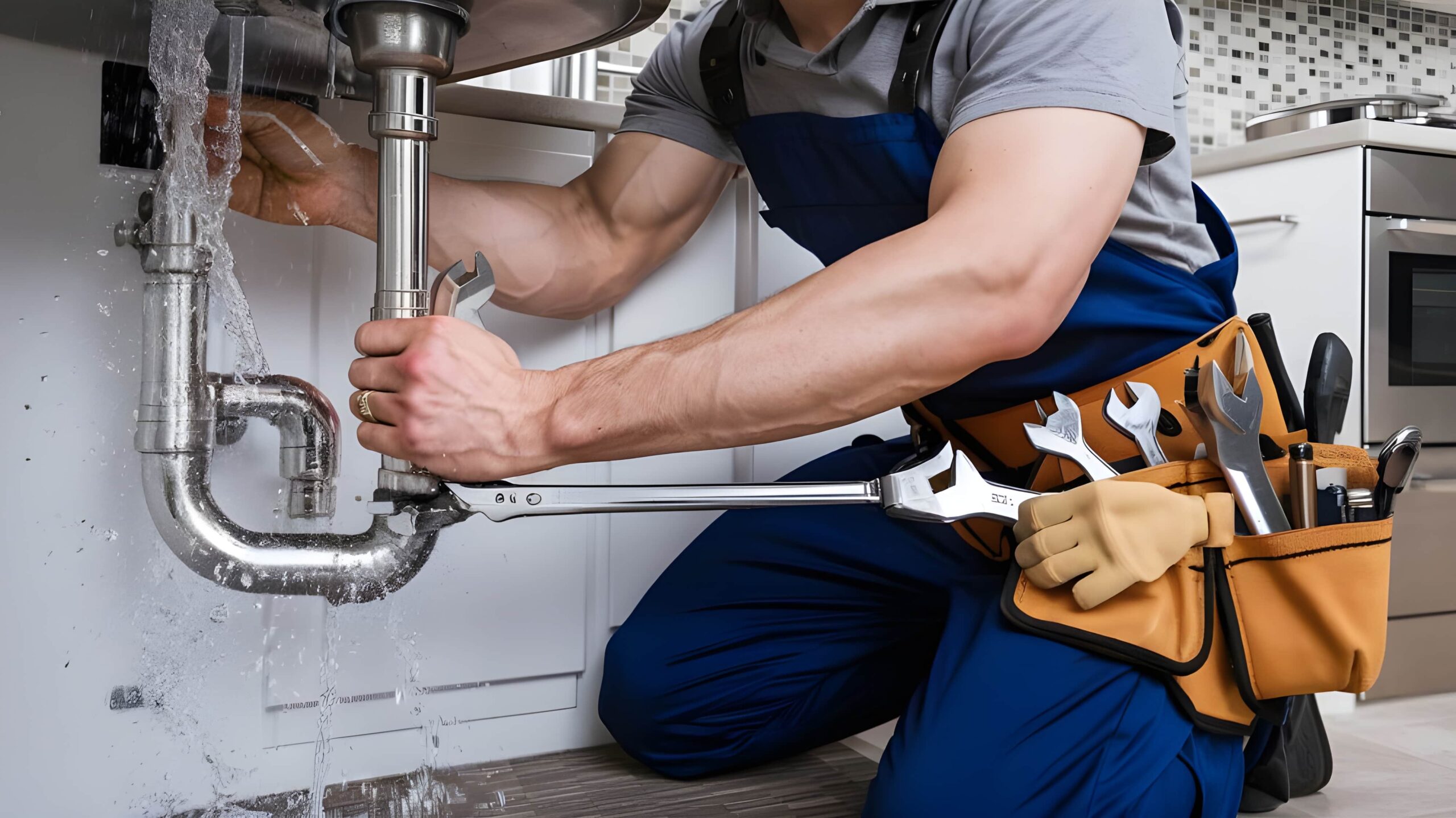
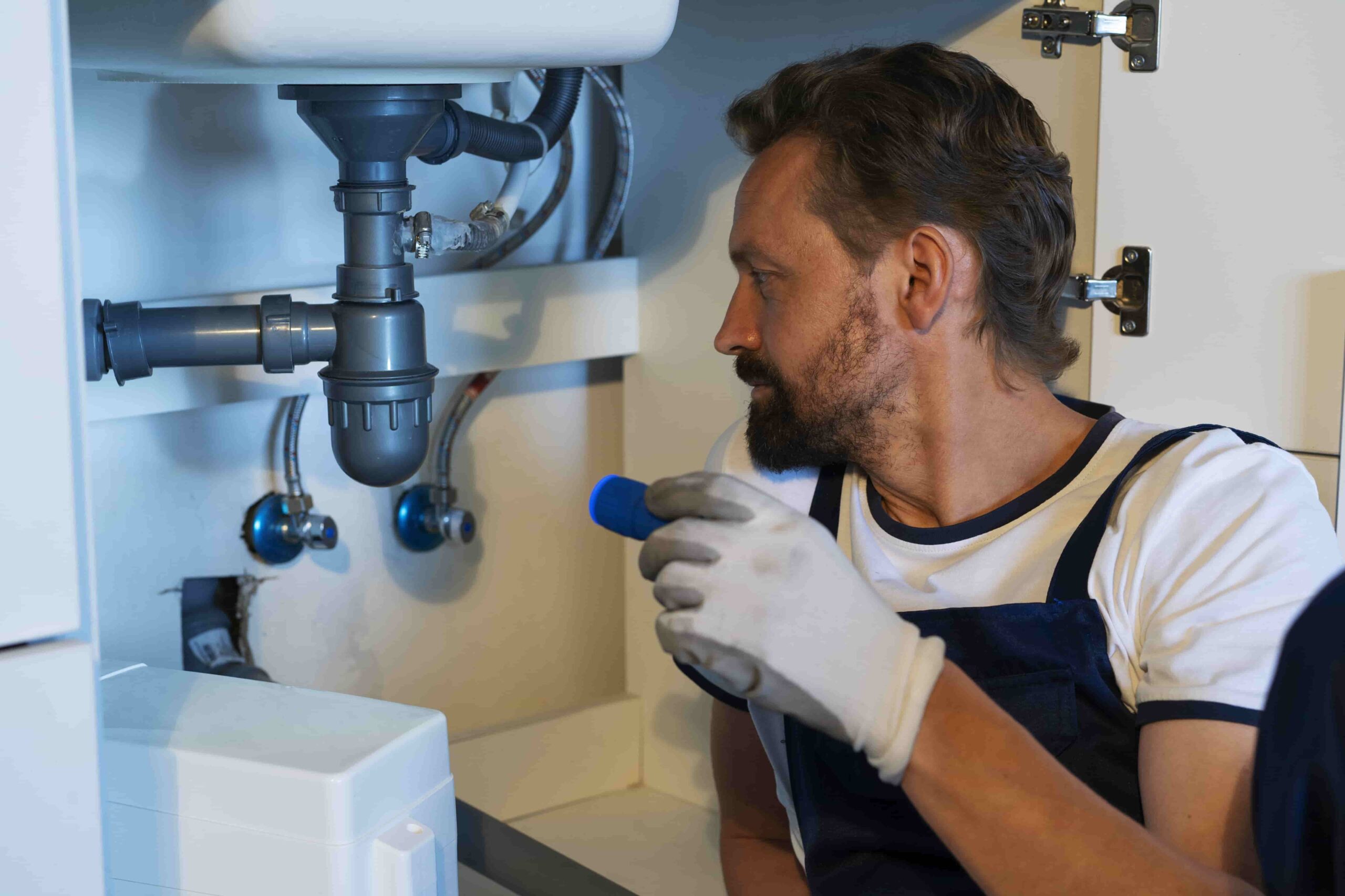
Swapping a toilet on a standard floor flange is a manageable DIY project for a handy homeowner. Shut off the supply valve, remove the old unit, set a new wax ring, and bolt down the replacement. However, call a licensed plumber if you find a corroded or cracked flange, signs of subfloor rot, or older cast-iron drain lines that may not seat a modern wax ring cleanly. A plumber can also inspect the drain line for partial blockages that would undermine your new fixture from day one. If you are in Florida, FixMyPipesNow.com connects you with licensed plumbing professionals who handle exactly these situations.
Faucet Aerators: The Most Affordable Upgrade You Can Make
An aerator is the small screen fitting threaded onto the tip of your faucet spout. It mixes air into the water stream, maintaining the sensation of strong pressure while cutting volume significantly. A standard kitchen faucet flows at 2.2 gallons per minute (GPM). Swapping in a WaterSense-rated aerator at 1.5 GPM or 1.0 GPM reduces faucet water use by 30 to 50 percent — and because most of that water is hot, the savings show up on your energy bill too, since your water heater works less hard.
Choosing and Installing Aerators
- Thread size: Most faucets use either 15/16-inch male or 55/64-inch female threads. Bring your old aerator to the hardware store to match sizing.
- Flow rate by location: Kitchen faucets work well at 1.5 GPM for rinsing; bathroom faucets can comfortably drop to 1.0 GPM or even 0.5 GPM.
- Laminar vs. aerated stream: Laminar-flow aerators produce a clear, non-splashing stream. Standard aerated models produce the bubbly white stream most homeowners expect.
- Installation: Unscrew the old aerator by hand or with cloth-wrapped pliers, clean the threads, and hand-tighten the new one. No special tools required.
If you notice low pressure after installing a new aerator, sediment inside the faucet body or a partially closed shut-off valve is the likely cause — not the aerator itself. Persistent low pressure across multiple fixtures points to a supply-line or pressure-regulator problem that warrants a professional inspection.
Showerheads: A Big Opportunity Often Overlooked
The average showerhead flows at 2.5 GPM. WaterSense-certified models cap at 2.0 GPM, and several high-performing options run at 1.5 GPM using air-infusion or pressure-compensating technology to maintain a satisfying spray. A family of four can save up to 2,900 gallons per year with this single swap — and because shower water is almost always hot water, the savings extend to your water heater’s operating costs as well.
Installation is straightforward: wrap the shower arm threads with thread-seal tape, hand-tighten the new head, then snug with pliers. If the shower arm itself is corroded or leaking at the wall, have a plumber address the fitting before installing anything new.
Regional Rebate Programs: Money Most Homeowners Never Claim
Utility companies, water management districts, and state environmental agencies across the country offer rebates for WaterSense-certified fixtures. In some programs the rebate covers the majority of the purchase price. Most homeowners never apply simply because they do not know the programs exist.
How to Find Rebates in Your Area
- EPA WaterSense Rebate Finder: The EPA maintains a searchable database at epa.gov/watersense where you enter your zip code to surface local utility and municipal programs.
- Your water utility website: Search your city or county utility site for the words rebate, conservation, or WaterSense. Programs change seasonally, so check annually.
- State energy offices: Several states bundle water and energy efficiency rebates together, particularly for water heater upgrades paired with low-flow fixture installations.
- Contractor-submitted rebates: Some programs require a licensed plumber to submit the rebate on your behalf after professional installation, so ask your contractor about this step upfront.
What Rebate Applications Typically Require
- Proof of purchase showing the fixture model number
- Confirmation that the product carries WaterSense or ENERGY STAR certification
- Your utility account number and service address
- Photos of the installed fixture in some programs
- A completed application submitted within a deadline, often 90 days of purchase
Florida homeowners can check with their local water management district. St. Johns River, South Florida, and Southwest Florida Water Management Districts all run active conservation rebate programs covering toilets, irrigation controllers, and in some cases full fixture packages.
Water Heaters and the Conservation Connection
Low-flow fixtures reduce hot water demand, which extends the working life of your water heater and lowers monthly operating costs. If your unit is more than ten years old, pairing a fixture upgrade with a water heater assessment is smart timing. Tankless water heaters work especially well alongside low-flow fixtures because they heat only what you use — and many utility rebate programs offer incentives for both simultaneously. A licensed plumber can evaluate whether your gas line or electrical panel is properly sized for a tankless unit, which is not a determination to make on your own.
A Simple Upgrade Sequence to Get Started
- Start with aerators and showerheads — lowest cost, fastest payback, no professional help needed in most cases.
- Audit your toilets — check the GPF rating stamped inside the tank lid and look up MaP scores online. Replace the highest-use toilets first.
- Search for rebates before purchasing — the rebate database may point you toward a specific certified model that qualifies and performs well.
- Call a plumber for toilet replacement if complications exist — flange condition, aging drain lines, or faulty supply valves are worth professional attention.
- Ask your plumber about water heater efficiency while on-site — the conversation costs nothing and may surface additional rebate opportunities you can stack.
Water-efficient fixtures offer one of the fastest payback periods of any home upgrade. The technology is reliable, the rebates are real, and installation is often simpler than homeowners expect. When you do need a licensed professional, finding one is easy — FixMyPipesNow.com lists verified plumbing pros across Florida ready to help with everything from a straightforward toilet swap to a full water heater upgrade.