Stop Guessing and Start Calling the Right Pro
Your kitchen sink is backing up. Your water heater is making a strange rumbling noise. Your toilet keeps gurgling even after you’ve plunged it twice. You know you need help — but who exactly do you call? A plumber? A drain specialist? A water heater technician?
These trades overlap in some areas but are very different in others. Calling the wrong one means delayed repairs, extra service fees, and a problem that doesn’t get fixed correctly the first time. This guide breaks down exactly what each professional does, the jobs that belong in their lane, and how to make the smartest call when something goes wrong in your home.
What a Licensed Plumber Does
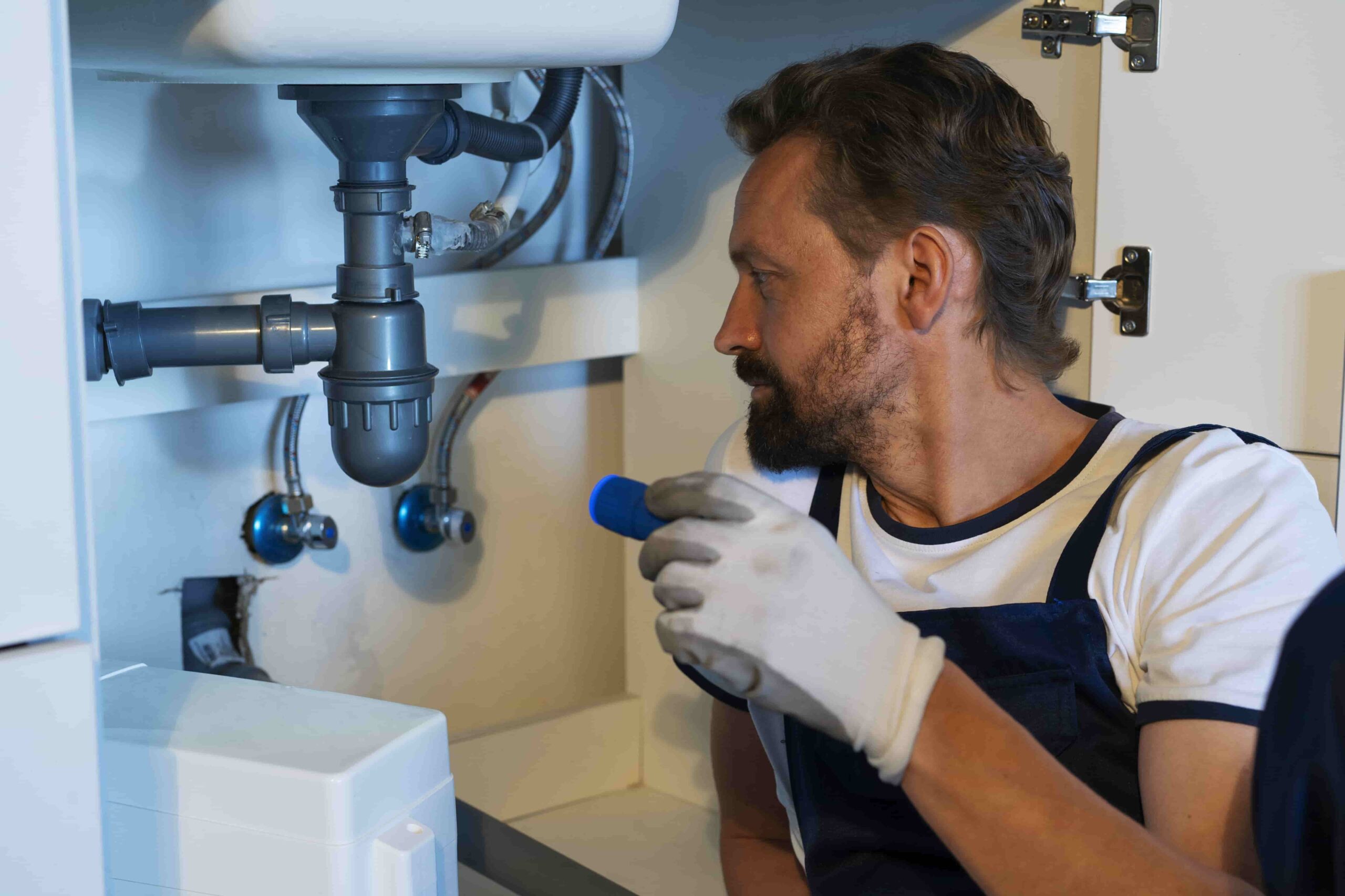
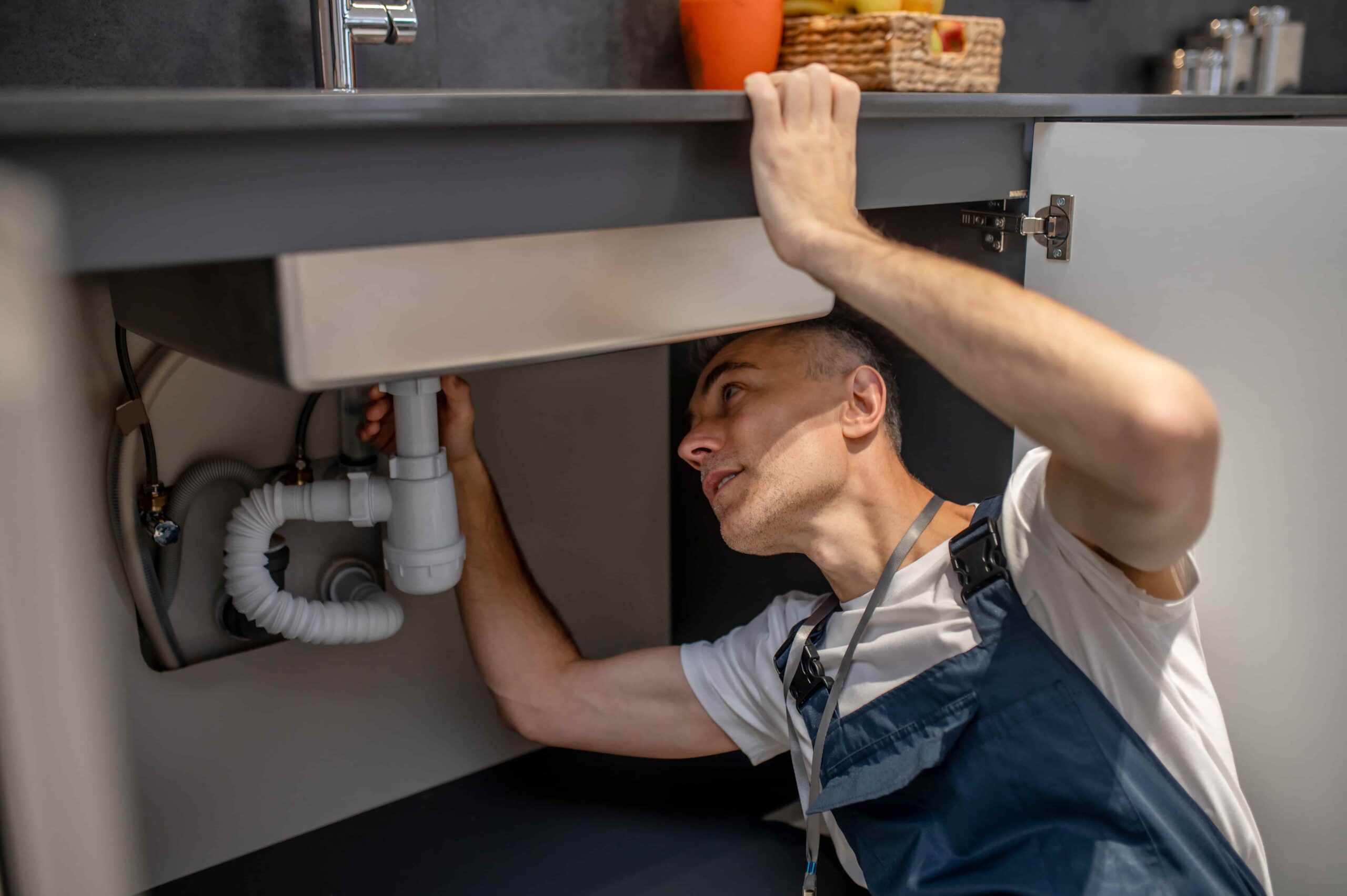
A licensed plumber is the broadest category of the three. Think of a general plumber the way you’d think of a general contractor — they handle a wide range of systems and can often identify problems that fall under a more specialized trade.
Core plumbing jobs include:
- Installing or replacing supply lines, shut-off valves, and faucets
- Repairing or replacing pipes — copper, PVC, PEX, and galvanized
- Fixing or replacing toilets, sinks, and tubs
- Diagnosing low water pressure throughout the home
- Installing new fixtures during a renovation or addition
- Connecting appliances like dishwashers and washing machines to water supply lines
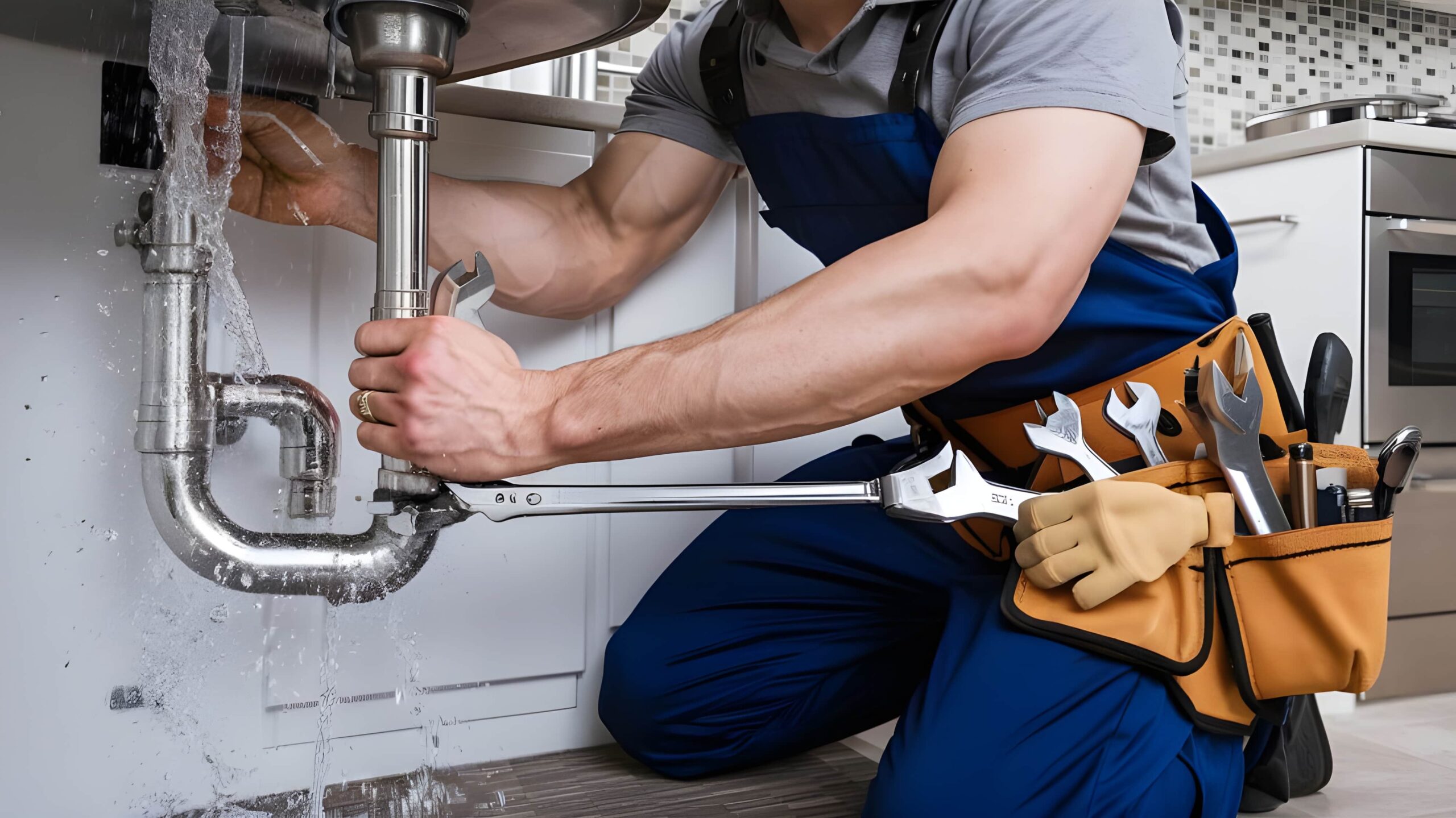
- Addressing leaks behind walls or under slabs
A licensed plumber is your first call when you’re dealing with supply-side issues — anything related to water coming into your home — or when you’re not yet sure what the problem is. They can diagnose and route you to a specialist if needed.
When a DIY fix is reasonable:
Replacing a faucet aerator, swapping out a toilet flapper, or tightening a supply line connection under a sink are all reasonable DIY tasks for a confident homeowner. However, the moment you’re dealing with a pipe inside a wall, under a slab, or connected to your main water line, stop and call a licensed plumber. Mistakes on pressurized supply lines can cause flooding within minutes.
What a Drain and Sewer Specialist Does
Drain and sewer specialists focus on the drain side of your plumbing system — everything that carries wastewater away from your home. This is a distinct specialty because the tools, techniques, and knowledge required are quite different from general plumbing work.
Core drain and sewer jobs include:
- Clearing slow or completely blocked drains in kitchens, bathrooms, and laundry rooms
- Snaking or hydro-jetting main sewer lines
- Camera inspections of drain and sewer lines to locate blockages, root intrusions, or pipe damage
- Repairing or replacing sections of sewer line
- Diagnosing recurring clogs that don’t respond to store-bought drain cleaners
- Locating and addressing sewer gas odors inside the home
- Inspecting sewer lines before purchasing a home
If multiple drains in your home are slow or backing up at the same time, that’s almost always a main sewer line issue — not a simple clog. This is a drain specialist’s job, not a DIY situation. A blocked or broken sewer line can back sewage into your home if left unaddressed.
When a DIY fix is reasonable:
A single slow bathroom drain clogged with hair can often be cleared with a hand snake or a zip-it tool from any hardware store. Avoid liquid chemical drain cleaners — they’re hard on pipes and rarely solve anything beyond minor buildup. If the clog doesn’t clear after one or two attempts, call a professional. You can find licensed drain and sewer specialists through a directory like FixMyPipesNow.com, which connects homeowners with vetted local pros across the country.
What a Water Heater Pro Does
Water heater technicians specialize in the installation, repair, and maintenance of tank and tankless water heaters. While some licensed plumbers also handle water heaters, a dedicated water heater professional often has deeper expertise across the full range of units — gas, electric, hybrid heat pump, and tankless systems.
Core water heater jobs include:
- Diagnosing why your water isn’t getting hot enough — or at all
- Replacing heating elements on electric units
- Servicing or replacing thermostats and temperature pressure relief valves
- Flushing sediment buildup from tank-style heaters
- Repairing or replacing gas burner assemblies
- Installing new tank or tankless water heaters
- Upgrading to a more energy-efficient unit
- Addressing discolored or foul-smelling hot water
Signs you need a water heater pro right now:
- No hot water at all — could be a failed element, tripped breaker, or gas supply issue
- Water pooling around the base of the tank — the tank may be failing internally and could need immediate replacement
- Popping or rumbling sounds — usually caused by heavy sediment buildup, which reduces efficiency and shortens the unit’s life
- Rusty or discolored hot water — could indicate a failing anode rod or tank corrosion
- Hot water that runs out unusually fast — your unit may be undersized or losing efficiency
When a DIY fix is reasonable:
Adjusting the thermostat on an electric water heater is something most homeowners can do safely. Flushing sediment from a tank heater is also manageable if you’re comfortable with the process and the unit isn’t too old. However, anything involving the gas line, the pressure relief valve, or internal electrical connections should always be handled by a licensed professional. Water heaters store large amounts of pressurized, scalding-hot water — the risk of serious injury or flooding is real when these components are handled improperly.
Quick Reference: Match the Problem to the Pro
- Leaking pipe behind a wall or under a slab — Licensed Plumber
- New fixture installation or renovation plumbing — Licensed Plumber
- Single slow drain in a bathroom or kitchen — DIY or Drain Specialist
- Multiple drains backing up at once — Drain and Sewer Specialist
- Gurgling sounds from toilets or drains — Drain and Sewer Specialist
- Sewer odor inside the home — Drain and Sewer Specialist
- No hot water or only lukewarm water — Water Heater Pro
- Rumbling or popping from the water heater — Water Heater Pro
- Water pooling around the water heater — Water Heater Pro (urgent)
- Not sure what’s wrong — Licensed Plumber (start here)
Always Verify Licensing Before You Hire
No matter which trade you need, always hire a licensed, insured professional. In most states, plumbing and water heater work requires a license by law — and for good reason. Unlicensed work can void your homeowner’s insurance, fail inspection, and create safety hazards that cost far more to correct later.
Ask for the contractor’s license number before work begins, verify it with your state licensing board, and confirm they carry liability insurance and workers’ compensation coverage. If they won’t provide that information upfront, keep looking.
When you’re ready to find a qualified professional, FixMyPipesNow.com makes it easy to connect with licensed plumbers, drain specialists, and water heater pros near you — all in one place.
The Bottom Line
Plumbing problems are stressful enough without calling the wrong person for the job. General plumbers handle supply-side issues and broad system work. Drain and sewer specialists tackle blockages, backups, and sewer line problems. Water heater pros keep your hot water running safely and efficiently. When in doubt, start with a licensed plumber — they can diagnose the situation and point you to the right specialist if needed.
A little knowledge up front saves you time, money, and a whole lot of frustration.